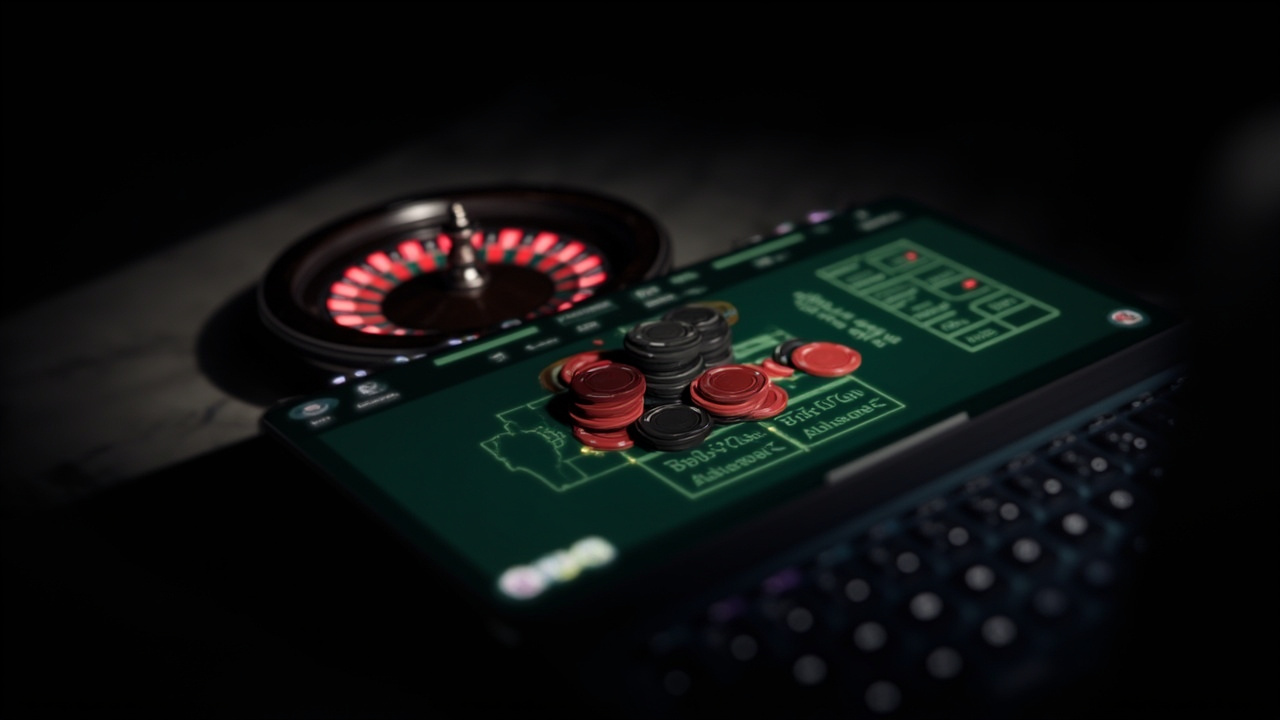
Walking into a casino floor, the roulette wheel draws more eyes than any other table game. The spinning ball, the calling hand, the rainbow of betting squares – it all looks straightforward until you realise how many ways you can lose your stack in a single spin. That confusion is exactly why roulette bets explained matters before you sit down with your wallet out. Whether you are testing the waters on a mobile browser or walking into a Geelong club with a Saturday arvo crowd buzzing around you, knowing the difference between a straight-up number and a dozen bet changes how you play, how long you stay, and how much you actually walk away with. This guide breaks down the layout, the odds, and the decisions you should weigh before placing your first chip.
What the Table Is Actually Asking You to Do

The layout looks busy, but every square on a roulette table answers the same basic question: how much risk are you willing to take for how much reward? Inside bets sit on the numbers themselves and pay out handsomely when they hit, while outside bets cover broader sections of the wheel and keep you in the game longer. A straight-up bet on a single number pays thirty-five to one, which sounds generous until you remember the house edge is already baked into the wheel. Outside options like red or black, odd or even, and the first, second, or third dozen pay even money or two to one, giving you more frequent small wins but less dramatic upside. The trick is not chasing the biggest payout – it is matching your bet size to the session you actually want. If you are playing on a phone between meetings, outside bets keep the rhythm steady and the screen readable. If you are at a table with a bit of time and a clear limit in mind, inside bets let you stretch a single win across a longer run. Either way, the table is asking you to choose a pace before the ball drops, not after.
How the Numbers Stack Up Against Your Budget
Before you place a chip, work out what a losing streak actually costs you in plain terms. A dozen bet covers twelve numbers and pays two to one, which means three losses in a row eats into your stack faster than most players expect. Red or black covers eighteen numbers and pays even money, so a short run of bad spins feels manageable, but the zero – and the double zero on an American wheel – quietly tilts the maths against you every single turn. Inside bets on a single number or a small split pay big, but they are essentially buying a ticket for a low-probability event. The practical move is to treat your bankroll like a fixed budget for the session, not a resource to be mined. Decide your unit size, stick to it, and accept that the wheel does not owe you a correction. If you want to keep the session alive, outside bets and smaller inside coverage give you more breathing room. If you are chasing a specific payout, size those bets so a dry run does not wipe out the evening. The numbers on the felt are not secrets – they are just a map of where your money goes when luck leans one way or the other.
Reading the Wheel and the Room Before You Play
The wheel itself is the same maths no matter how it is dressed up, but the environment around it changes how you should play. A live table with a calling hand, a physical layout, and a crowd watching the ball move differently from a mobile session where you tap a screen and wait for the result. On a phone, the layout has to be responsive enough that you can see the bet options without squinting, and the load time has to be quick enough that you are not sitting on a spinning loader while the wheel is already turning. Navigation matters too – if the bet buttons are buried behind menus or the balance display is hard to find, you are playing blind. A decent mobile setup keeps the table clear, the bet limits visible, and the cash-out path obvious, so you can adjust your stakes without losing your place. In a club or casino, the pace is set by the dealer and the other players, which means you have more time to think but also more social pressure to keep up. Either way, the room is part of the game. If the interface or the table layout is making you rush, step back and reset. The wheel will still be there when you are ready to actually read it.
Making the Call: Which Bet Fits Your Session
The decision comes down to three questions: how long do you want to play, how much variance can you stomach, and what are you actually trying to get out of the spin? If your goal is to stretch a session and keep the action steady, outside bets and even-money coverage are the obvious fit. If you want a chance at a bigger payout and you have the bankroll to absorb the swings, inside bets and smaller combinations give you that shot without demanding you bet the whole table. A sensible way to approach it is to set your session limit first, then pick a bet structure that matches it. Start with a base unit that lets you survive a rough run, place your outside coverage to keep the rhythm going, and use inside bets sparingly when you want to test a number or a section. Do not mix strategies mid-spin – decide your approach, stick to it for a set number of rounds, and review whether it is still working before you change tack. If you are playing online, check the bet limits and the payout display before you commit, because a cluttered screen or hidden limits can turn a simple decision into a costly guess. For a closer look at how a mobile-friendly layout handles those bet options in practice, https://lebanditdemoau.com/ shows how a responsive table keeps the bet grid clear and the limits visible without forcing you to hunt through menus.
- Set a session bankroll and split it into units that let you survive at least ten losing spins without wiping out the evening.
- Choose your primary bet style – outside for steadier play, inside for higher variance – and commit to it before the first ball drops.
- Place your first round using that style, watch how the results land, and decide whether the pace still matches what you wanted.
- Adjust only after a clear run of spins, not after a single loss, and keep your unit size fixed so emotion does not rewrite the maths.
- Cash out or stop when your session limit is reached, regardless of whether the wheel has been kind or cold.
Roulette bets explained comes down to this: the wheel is a fixed set of odds, and your job is to pick a bet structure that fits the session you actually want, not the one you wish you had. Outside bets keep you in the game longer, inside bets give you a shot at a bigger payout, and the smartest move is to decide your limit, your unit, and your pace before you place a single chip. Play the maths, not the mood, and you will walk away with a clearer head and a stack that lasted as long as it should.